Peptide CalculatorReconstitution, dose & syringe units
Enter the peptide in your vial, the bacteriostatic water added and your prescribed dose. Get the exact units to draw on a U-100 insulin syringe.
Draw to
10units
0.1 mL on a 1 mL U-100 syringe
- Concentration
- 2.5 mg/mL
- Per unit
- 25 mcg
- Dose
- 250 mcg
- Doses per vial
- 20
Tired of reconstituting?
Doctor-prescribed peptides from Peptides.build arrive already reconstituted by a licensed US 503A pharmacy, labeled and ready to draw. No BAC water, no math.
See prescribed protocolsQuick answer: how do you calculate peptide units?
A peptide calculator turns three numbers into a syringe measurement: the peptide in the vial (mg), the bacteriostatic water you add (mL) and the prescribed dose (mcg or mg). Divide the vial by the water to get the concentration, divide the dose by the concentration to get the volume, then multiply the volume in mL by 100 to get units on a U-100 insulin syringe. Example: 5 mg mixed with 2 mL is 2.5 mg/mL, so a 250 mcg dose is 0.1 mL, or 10 units.
- 1 unit= 0.01 mL on a U-100 syringe
- 1 mg= 1,000 mcg
- 100 units= 1 mL
Prescribed, pre-mixed, ready to draw
A licensed US provider reviews a short online intake and sets your dose. A US 503A pharmacy reconstitutes it for you and labels the concentration, so there is no powder, no BAC water and nothing to calculate.
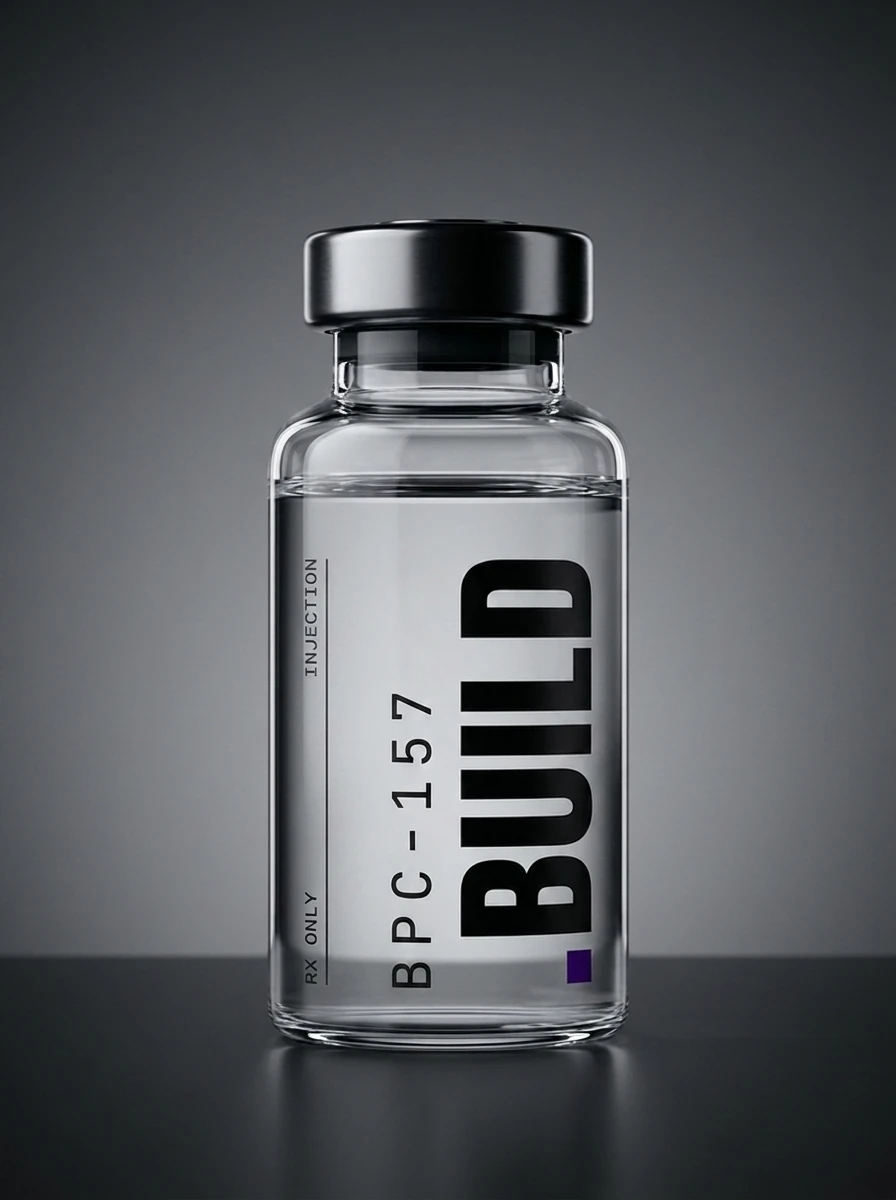 RecoveryBPC-157Tissue repair support between hard sessions.From $158/mo
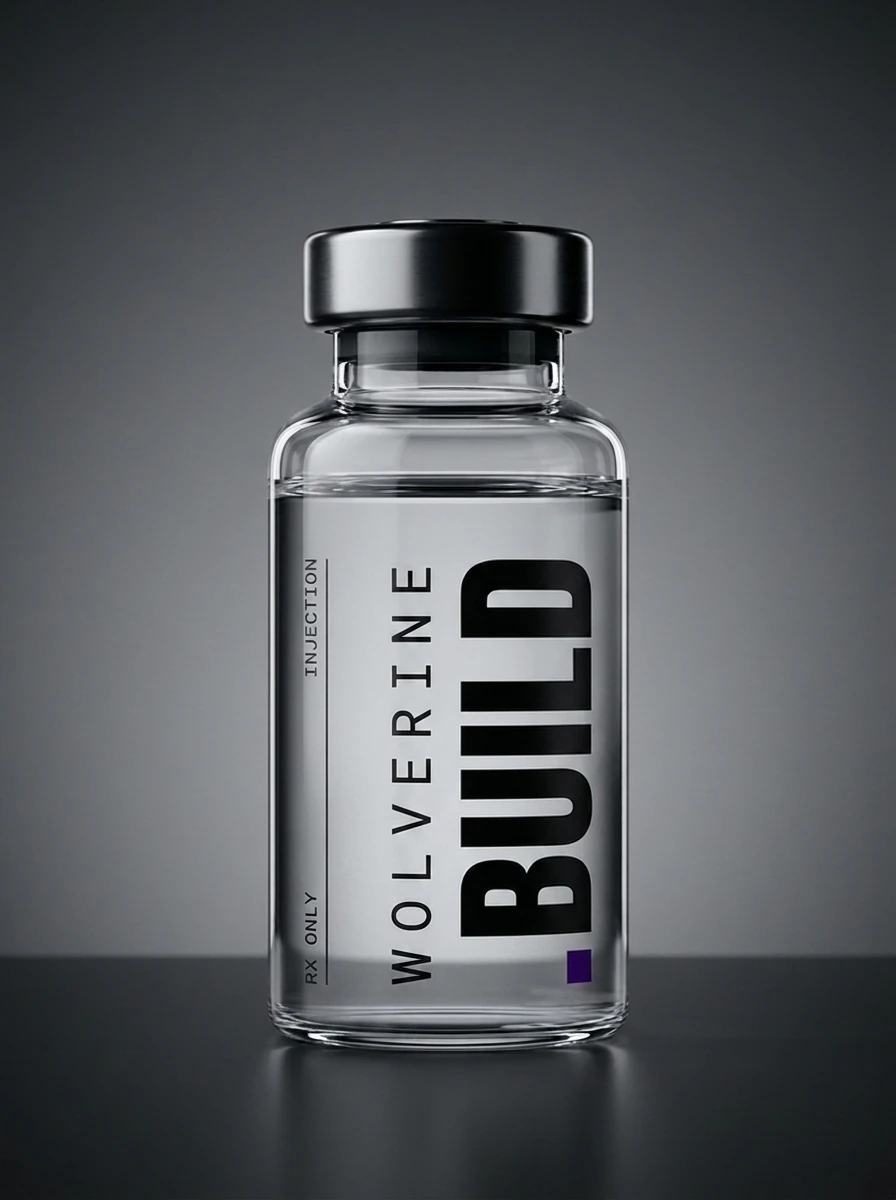 RecoveryWolverine StackMulti-peptide recovery for bodies that train hard.From $183/mo
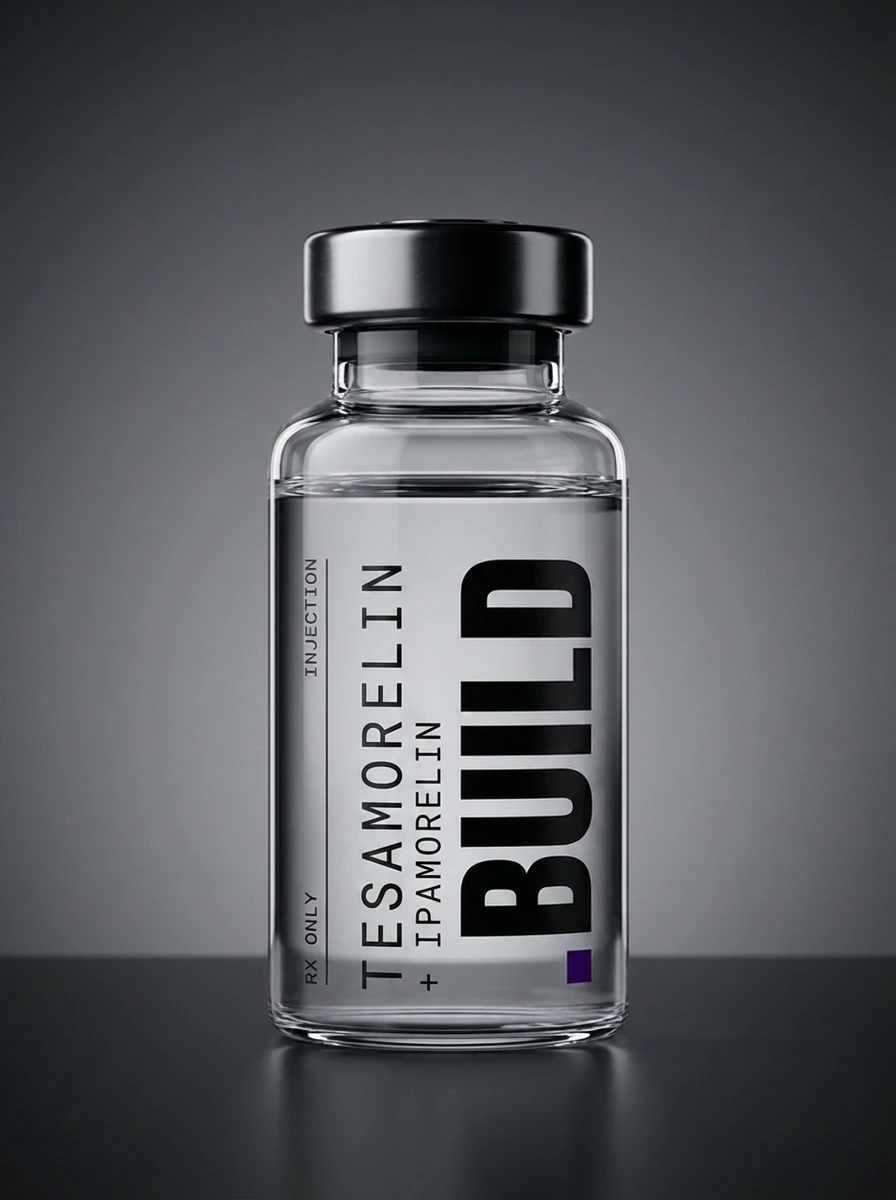 PerformanceTesamorelin / IpamorelinPaired secretagogues for body composition work.From $183/mo
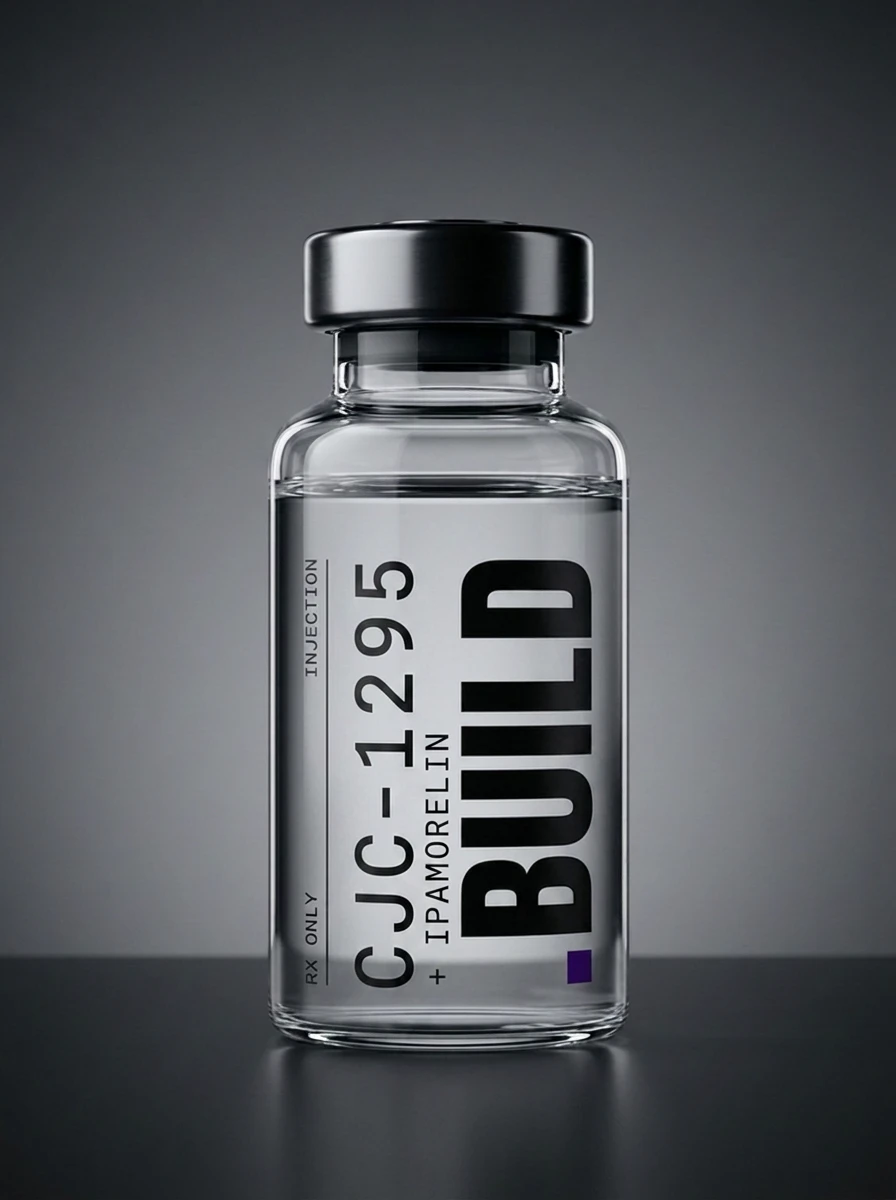 PerformanceCJC-1295 / IpamorelinA classic pairing for lean mass and recovery.From $183/mo
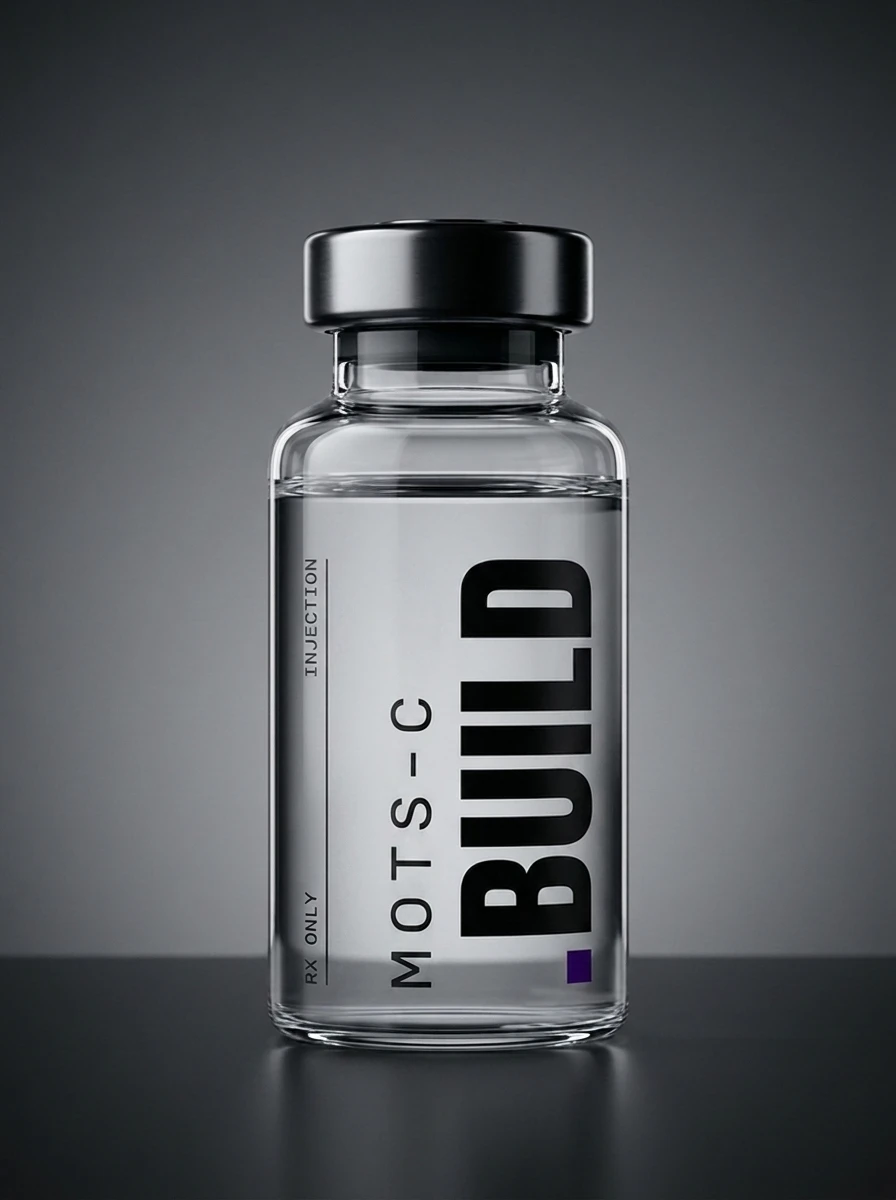 CognitiveMOTS-cMitochondrial peptide for training capacity.From $158/mo
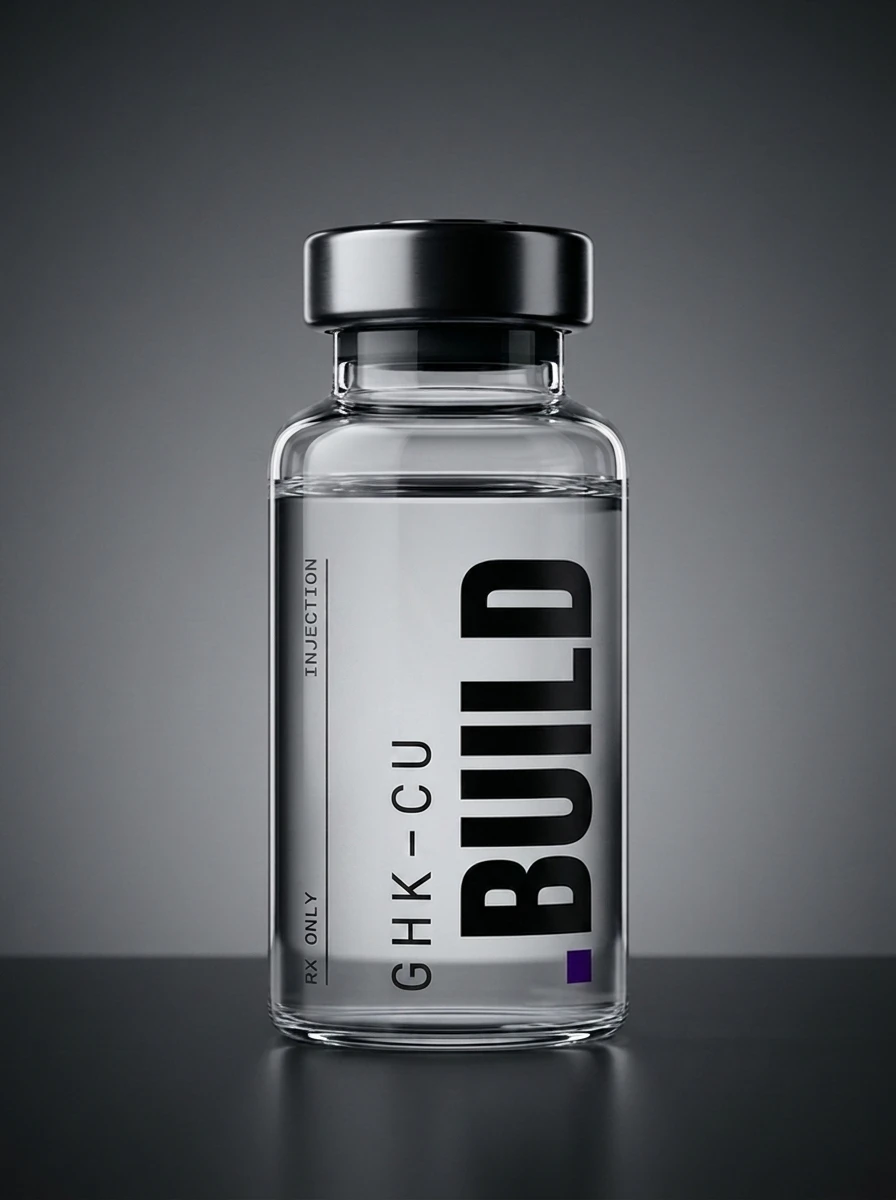 Cellular HealthGHK-CuCopper peptide for skin and connective tissue.From $158/mo
How the peptide calculator works
Reconstitution spreads the peptide evenly through the water, so every millilitre holds the same amount. Four lines of arithmetic cover every vial, dose and syringe:
concentration (mg/mL) = vial (mg) ÷ water (mL)Example 5 mg ÷ 2 mL = 2.5 mg/mL
volume (mL) = dose (mg) ÷ concentration (mg/mL)Example 0.25 mg ÷ 2.5 mg/mL = 0.1 mL
units = volume (mL) × 100 (U-100 syringe)Example 0.1 mL × 100 = 10 units
doses = vial (mcg) ÷ dose (mcg)Example 5000 mcg ÷ 250 mcg = 20 doses
Step by step
Read the vial label
Find the amount of peptide in the vial, in milligrams (mg). Your pharmacy label lists it.
Note the water added
Enter how much bacteriostatic water is added to the vial, in millilitres (mL). Your prescriber or pharmacy instructions specify this volume.
Enter your prescribed dose
Type the dose per injection exactly as prescribed, and choose mcg or mg. 1 mg equals 1,000 mcg.
Pick your syringe
Select the U-100 insulin syringe you use: 0.3 mL (30 units), 0.5 mL (50 units) or 1 mL (100 units). Every U-100 syringe uses the same scale: 1 unit is 0.01 mL.
Draw to the result
The calculator shows the units to draw, the volume in mL, the concentration and how many doses the vial holds. Draw to that line on the syringe.
Peptide reconstitution chart
Units to draw on a U-100 syringe for common vial strengths, water volumes and doses. Find your vial and water volume on the left, then read across to your prescribed dose. A dash means the dose is larger than the vial.
| Vial | Water | mg/mL | 100 mcg | 250 mcg | 500 mcg | 1 mg | 2.5 mg |
|---|---|---|---|---|---|---|---|
| 2 mg | 1 mL | 2 | 5 | 12.5 | 25 | 50 | – |
| 2 mg | 2 mL | 1 | 10 | 25 | 50 | 100 | – |
| 5 mg | 1 mL | 5 | 2 | 5 | 10 | 20 | 50 |
| 5 mg | 2 mL | 2.5 | 4 | 10 | 20 | 40 | 100 |
| 5 mg | 3 mL | 1.67 | 6 | 15 | 30 | 60 | >100 |
| 10 mg | 1 mL | 10 | 1 | 2.5 | 5 | 10 | 25 |
| 10 mg | 2 mL | 5 | 2 | 5 | 10 | 20 | 50 |
| 10 mg | 3 mL | 3.33 | 3 | 7.5 | 15 | 30 | 75 |
| 15 mg | 3 mL | 5 | 2 | 5 | 10 | 20 | 50 |
| 20 mg | 2 mL | 10 | 1 | 2.5 | 5 | 10 | 25 |
| 30 mg | 3 mL | 10 | 1 | 2.5 | 5 | 10 | 25 |
Values in units (U-100). 1 unit = 0.01 mL.
Insulin syringe units to mL
All U-100 insulin syringes use the same scale, 100 units per millilitre. Size only changes the capacity and how fine the markings are. Below, the same 10-unit draw (0.1 mL) on each size.
| Units | mL |
|---|---|
| 1 | 0.01 |
| 2 | 0.02 |
| 5 | 0.05 |
| 10 | 0.1 |
| 15 | 0.15 |
| 20 | 0.2 |
| 25 | 0.25 |
| 30 | 0.3 |
| 40 | 0.4 |
| 50 | 0.5 |
| 75 | 0.75 |
| 100 | 1 |
Peptide calculator FAQ
How do I calculate how many units of peptide to draw?
Divide the milligrams in the vial by the millilitres of bacteriostatic water to get the concentration in mg/mL. Divide your dose (in mg) by that concentration to get the volume in mL, then multiply by 100 to convert to units on a U-100 insulin syringe.
How many units is 0.1 mL on an insulin syringe?
On a U-100 insulin syringe, 0.1 mL is 10 units. One unit is always 0.01 mL, so 0.25 mL is 25 units and 0.5 mL is 50 units, whatever the syringe size.
How much bacteriostatic water should I add to a peptide vial?
Use the volume your prescriber or pharmacy instructions specify. The water volume does not change the amount of peptide, only the concentration: more water makes each unit weaker, so the same dose takes more units, which can make small doses easier to measure. Peptides.build prescriptions arrive pre-mixed by the pharmacy, so patients never add water.
Does the size of the insulin syringe change the dose?
No. 0.3 mL, 0.5 mL and 1 mL U-100 syringes all use the same scale, 100 units per mL. A smaller syringe has finer markings, which makes small draws easier to read accurately.
What is the difference between mcg and mg?
1 milligram (mg) is 1,000 micrograms (mcg). A 250 mcg dose is 0.25 mg. Peptide doses are often written in mcg, while vials are labeled in mg, which is why mixing up the two is the most common calculation error.
How many doses are in one peptide vial?
Convert the vial to micrograms (mg × 1,000) and divide by your dose in micrograms. A 5 mg vial holds 5,000 mcg, so at 250 mcg per dose it holds 20 doses. The water volume does not change this number.
Do Peptides.build peptides need to be reconstituted?
No. Peptides.build prescriptions arrive already reconstituted by a licensed US 503A pharmacy, labeled with the concentration in mg/mL and ready to draw. There is no bacteriostatic water to add and no math to do: your provider tells you how many units to draw.
Is this peptide calculator a substitute for medical advice?
No. It performs arithmetic only and does not recommend any dose. Your dose, schedule and dilution come from your prescriber and your pharmacy label. If a result looks wrong or does not fit your syringe, check with your pharmacist or provider before injecting.
Can I use this calculator for compounded GLP-1 medications?
Yes, the math is the same for any medication supplied as a concentration in mg/mL and measured with a U-100 syringe. For a pre-mixed vial, enter the label strength as the concentration: for example, a 2.5 mg/mL vial is the same as 5 mg in 2 mL. Follow the dose your own prescriber set.
Get your peptide already reconstituted
Your provider sets the dose. A US 503A pharmacy mixes it, labels the concentration and ships it cold-chain, ready to draw. You never touch a vial of powder.
This calculator performs arithmetic only. It does not recommend doses and is not medical advice. Always follow the dose, dilution and schedule on your prescription and pharmacy label, and confirm any calculation with your pharmacist or prescriber before injecting.