Anti-aging and skin peptides: which can be prescribed online?
Two cellular-health protocols can be prescribed through Peptides.build: injectable GHK-Cu, a copper-binding tripeptide studied for skin and connective-tissue remodeling, and Epitalon, a synthetic tetrapeptide studied in longevity research. Both are compounded by a licensed US 503A pharmacy and prescribed only after a licensed US provider reviews your intake. The research behind both is largely in vitro and animal work, and neither is FDA-approved.
Cellular Health protocols compared
What each protocol is, the type of evidence published so far, the form it is prescribed in, the lowest effective monthly price, and its regulatory status. Evidence is described by study type, not graded.
| Protocol | What it is | Evidence to date | Form | From | Regulatory |
|---|---|---|---|---|---|
| GHK-Cu | Copper-binding tripeptide found in plasma; levels fall with age. | In vitro and animal studies for the injectable; human data is mostly topical cosmetic studies. | Injection, arrives reconstituted | $158/mo | Prescription only. Not FDA-approved; compounded medications are not FDA-approved. |
| Epitalon | Synthetic four-amino-acid peptide modeled on a pineal extract. | In vitro and animal studies from one research program; no independent human trials. | Injection, arrives reconstituted | $158/mo | Prescription only. Not FDA-approved; compounded medications are not FDA-approved. |
| Protocol | Human clinical trials | Other human studies | Animal and lab studies | Review articles | Breakdown |
|---|---|---|---|---|---|
| GHK-Cu | 0 | 0 | 0 | 2 | 2 cited sources: 2 review articles |
| Epitalon | 0 | 0 | 1 | 1 | 2 cited sources: 1 animal or lab study, 1 review article |
Cellular Health protocols
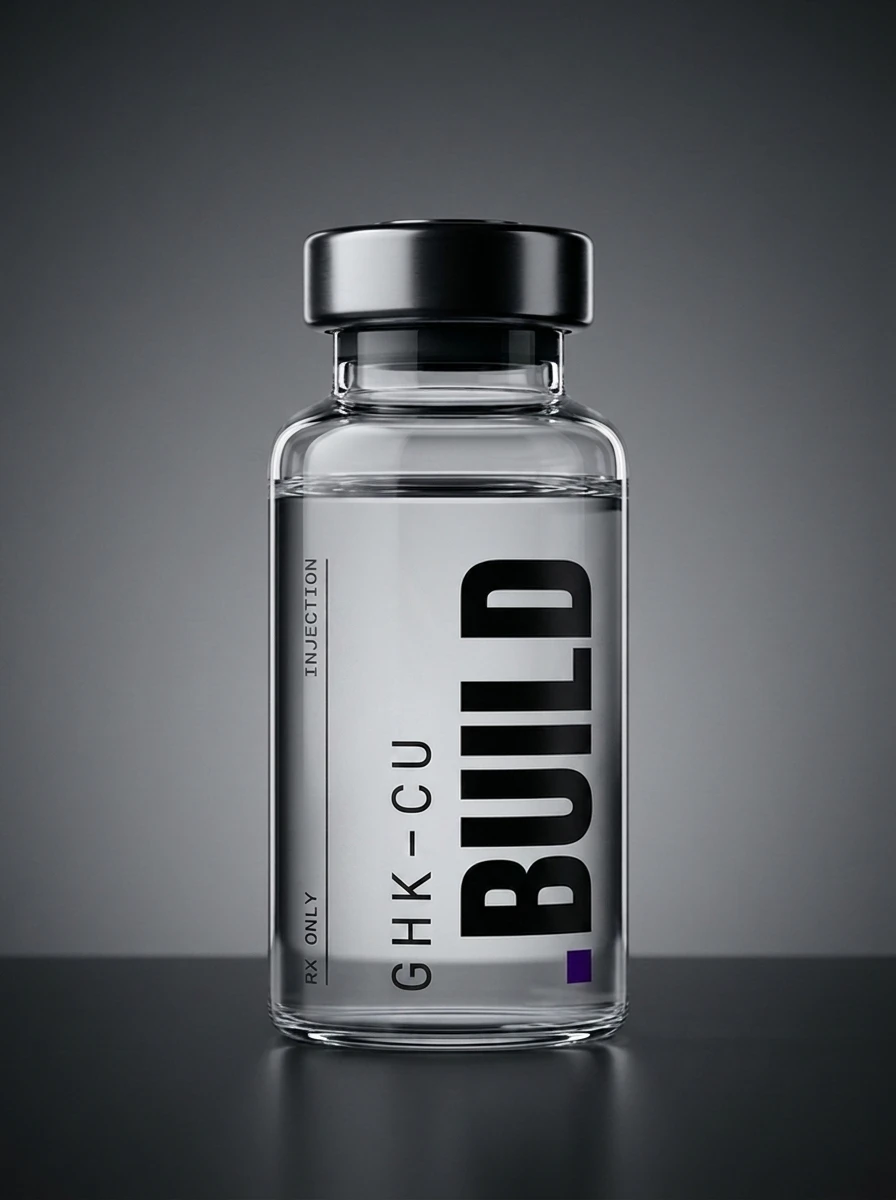
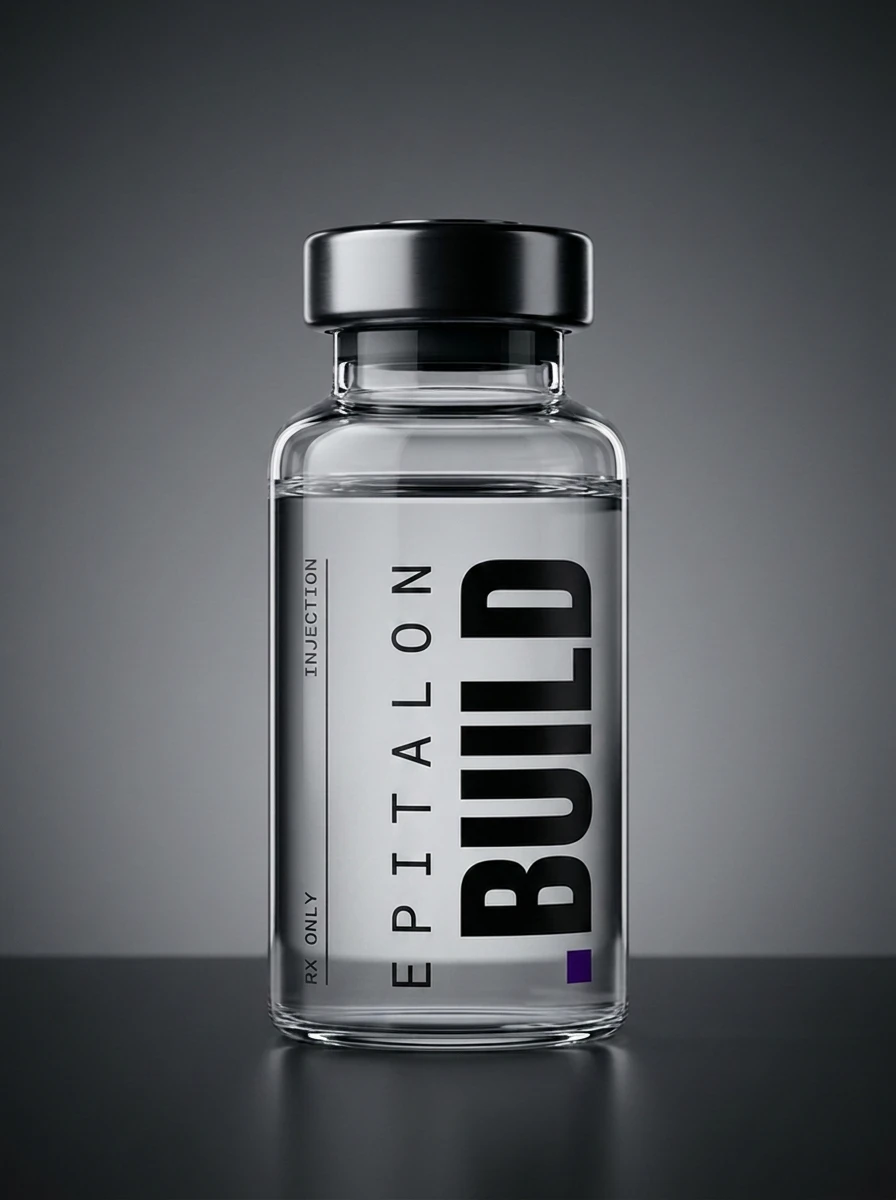
How do you choose a cellular health protocol?
These are the long-horizon protocols in the catalog, chosen for durability rather than any short-term change. GHK-Cu is one of the better-documented peptides in skin and connective-tissue research, but most of the human evidence is for topical cosmetic use; the injectable prescribed here rests on in vitro and animal studies. Epitalon comes out of a single Russian longevity research program, with in vitro work on telomerase and animal studies on aging, and no independent human trials.
GHK-Cu also appears inside the Glow and KLOW recovery stacks. If your goals are skin plus soft-tissue recovery, the stack route is a conversation to have with your provider; if skin and connective tissue are the whole goal, the single compound is the simpler protocol.
Epitalon is typically prescribed in short cycles rather than continuously, which affects how many doses a vial holds relative to its beyond-use date. The Epitalon calculator linked below shows that arithmetic; your provider sets the cycle.
Who cellular health protocols are considered for
- Adults building a long-horizon longevity protocol with provider oversight.
- People whose goals include skin and connective-tissue support.
- Former athletes shifting focus from performance to durability.
Who should not start one
- Anyone pregnant, trying to conceive, or breastfeeding.
- People with an active cancer diagnosis, unless cleared by their oncologist.
- Anyone expecting a measured anti-aging outcome: the research is mechanistic and does not describe outcomes to expect.
- Anyone a licensed provider determines is not an appropriate candidate.
Eligibility is always determined by a licensed provider during intake.
Prescribed cellular health peptides vs research peptides: what is different?
Prescribed cellular health peptides are not research chemicals. They are prescription medications: a licensed US provider reviews your intake first, and a licensed 503A pharmacy compounds each one for you by name. Vials sold online as “research use only” skip both steps. What you pay for here is that review, a pharmacy you can name, and a label that says what is in the vial.
A research seller’s certificate of analysis is a document the seller controls: it chooses the lab and the sample, and a PDF can be reused, edited or re-dated. No regulator checks it.
| Point | Prescribed through Peptides.build | Research use only |
|---|---|---|
| Access | Online intake reviewed by a licensed US provider; prescribed only when appropriate. | No prescription and no clinical review of whether it suits you. |
| How it's labeled | A prescription medication compounded for you by name. | Commonly sold labeled “research use only, not for human consumption.” |
| Who prepares it | A licensed 503A US compounding pharmacy under state and federal oversight. | Unregulated suppliers, often with no verifiable chain of custody. |
| Testing | Third-party tested. | Certificates of analysis are self-reported when provided at all. |
| Purity and identity | Prepared to a prescription for a specific patient. | Purity, strength, and even identity are unverified by any independent party. |
This compares two care models, not two products. Compounded medications are not FDA-approved, and we do not claim otherwise. What a prescription adds is a licensed provider deciding whether a protocol is appropriate for you and a licensed pharmacy preparing it. Read the full guide to research vs prescription peptides.
Cellular Health guides and tools
- GuideWhat is GHK-Cu?
GHK-Cu explained: the copper-binding tripeptide, why it is blue, what topical and injectable research covers, how it is prescribed, and its FDA status.
- GuideWhat is Epitalon?
Epitalon (Epithalon) explained: the synthetic tetrapeptide modeled on a pineal extract, what in vitro and animal research covers, and its FDA status.
- Free calculatorGHK-Cu Calculator
Injectable copper peptide: units, reconstitution and dosing chart. Math only, no dose recommendations.
- Free calculatorEpitalon Calculator
Dosing chart in units, reconstitution and doses per vial. Math only, no dose recommendations.
Cellular Health protocol FAQ
Is injectable GHK-Cu the same as a copper peptide cream?
Same molecule, different product and different evidence. Creams and serums deliver GHK-Cu to the skin surface and have cosmetic study data; the injectable prescribed here is systemic and rests on in vitro and animal research. The topical form is not currently in this catalog.
Is Epitalon the same as Epithalon?
Yes. Epitalon, Epithalon and Epithalone are spellings of the same four-amino-acid peptide (Ala-Glu-Asp-Gly), modeled on a pineal gland extract.
Are these peptides FDA-approved?
No. Injectable GHK-Cu and Epitalon are not FDA-approved for any use, and compounded medications are not FDA-approved. They are prescribed only when a licensed US provider decides a protocol is appropriate for an individual patient.
Why is GHK-Cu blue?
Because of the copper ion it carries. A clear blue to blue-violet solution is normal for injectable GHK-Cu and is not a sign of contamination; cloudiness or particles are, and are a reason to contact the pharmacy.
How much do cellular health protocols cost?
Cellular Health protocols are $199 billed monthly, with 3-month and 6-month plans that bring the effective price down to $158 to $158 per month. Every price includes the provider review, compounding by a licensed US 503A pharmacy and cold-chain shipping; there is no separate membership fee.
Build your cellular health protocol
A licensed US provider reviews a short online intake and decides what, if anything, is appropriate. A US 503A pharmacy prepares it, labels the concentration and ships it cold-chain, ready to draw.
Protocols on this page are compounded medications and are not FDA-approved. This page is provided for education and is not medical advice. No results are implied or guaranteed. Prescriptions are issued only when a licensed US provider determines treatment is clinically appropriate. Research referenced describes preclinical, review or limited clinical findings, not expected outcomes.